



 Facebook
 Instagram
 LinkedIn
 Youtube

Sublimation Printing: How It Works and What You Can Print

Written by
Karin Goffe
Printing methods
If you want to print various promotional products or textiles, you have probably heard of sublimation printing. This printing method has existed since the 1960s and is sometimes also referred to online as thermo-sublimation or transfer printing.
In this printing guide, we explain everything you need to know about sublimation printing. We also compare sublimation printing with transfer printing, which we use at Hot Screen, and highlight the specific characteristics of each printing method.

What Is Sublimation Printing?
Sublimation printing is a printing method in which dyes are transferred onto the desired textile through heat. The process is based on a chemical reaction in which color pigments turn into gas at a specific temperature and then penetrate the textile fibers. The result is a finished print design. This process is called sublimation, which is also where the name sublimation printing comes from.
It is important to use high-quality and certified inks and to follow the manufacturer’s processing instructions, otherwise textiles may be damaged or colors may not appear as intended.
How Does Sublimation Printing Work?
In sublimation printing, the desired design or logo is first printed in reverse using inkjet technology onto a special carrier, typically transfer paper or a special film.
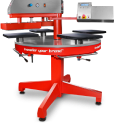
The printed carrier material is then placed onto the textile and transferred using a heat press under high heat and pressure. When heated, the sublimated dyes penetrate the fibers of the material and are permanently fixed.
Because the dyes penetrate the textile fibers, the print is not noticeable to the touch. The textile remains soft and uncoated.
Advantages of Sublimation Printing
Sublimation printing offers many advantages. One of the main benefits is the high print quality, as the process allows images to be reproduced almost true to the original. Sublimation printing is versatile and cost-efficient for both small and large production runs.
Another key advantage is the unique result on the textile. Unlike other printing methods, no coating is felt on the fabric. Sublimation printing is also very flexible, as complex and colorful designs can be printed quickly without the need for separate templates for each color.
Disadvantages of Sublimation Printing
Like any other printing method, sublimation printing also has its disadvantages.
Sublimation printing works best on synthetic materials such as polyester. Cotton and other natural fibers are less suitable. In addition, the equipment and materials required can be expensive, especially if you need a dedicated sublimation printer and special inks, making sublimation printing costly for small order quantities.
Another limitation is color reproduction. For example, it is not possible to print white. White areas in a design will take on the color of the material, and on dark textiles, colors will not appear vibrant.
Sublimation Printing or Transfer Printing
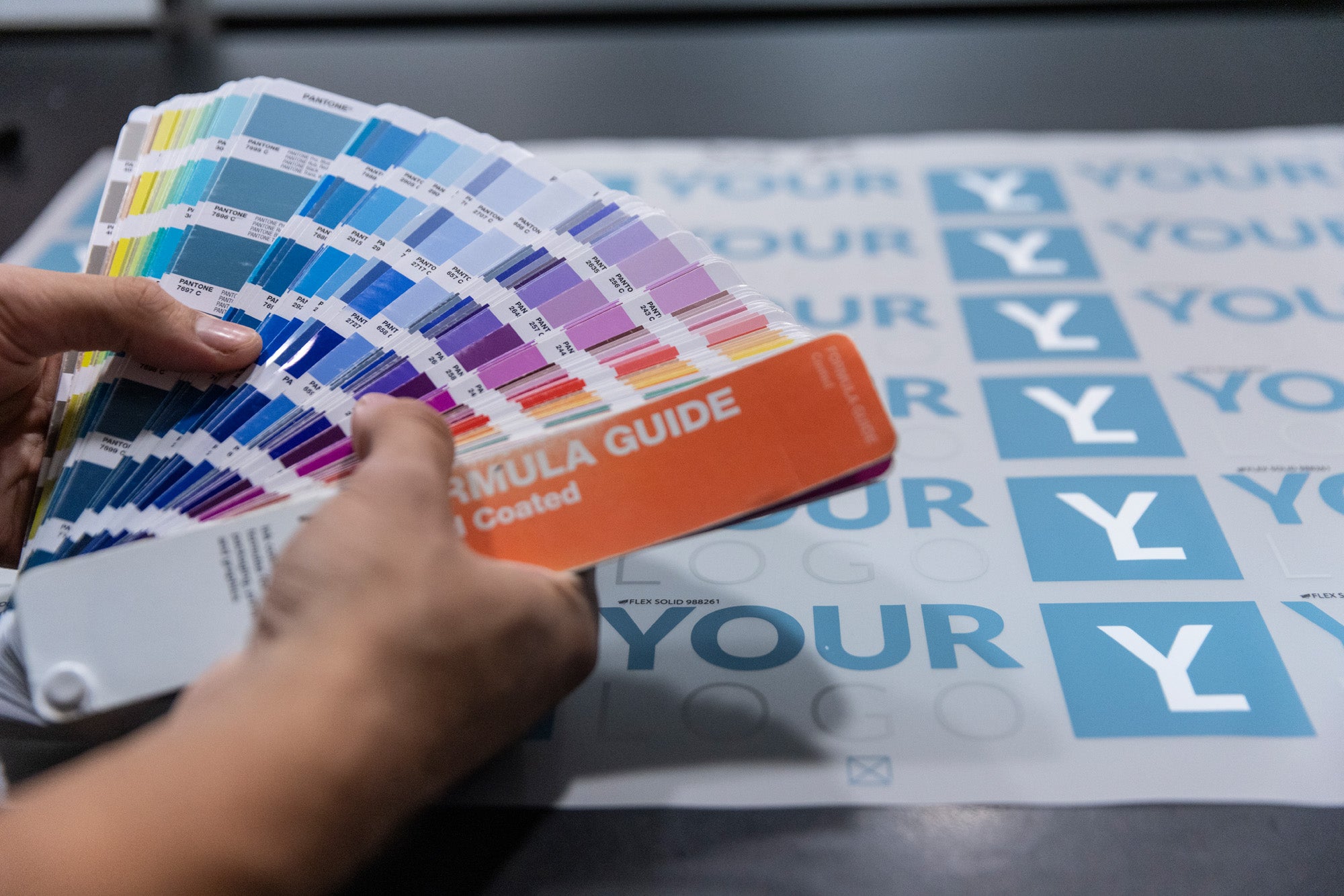
Both sublimation printing and transfer printing use heat to apply a logo or design to a material, often textiles. However, there are several important differences between the two methods.
- Type of Printing: With transfer printing, as used by Hot Screen, the design is printed onto a carrier material and then transferred to the textile using heat and pressure. With sublimation printing, the design is sublimated directly into the material, becoming part of the textile.
- Materials: Unlike sublimation printing, Hot Screen’s textile transfers can be applied to a wide range of materials, including cotton and other natural fibers.
- Durability: Sublimation printing is generally very durable since the ink penetrates the material. However, when applied correctly, Hot Screen’s transfers last for the entire lifetime of the garment.
Sublimation Printing FAQ
What Printer Is Needed for Sublimation?
A dedicated sublimation printer is required, using special sublimation inks.
Can You Sublimate with a Regular Printer?
No, standard inkjet printers are not suitable for sublimation printing.
What Products Can Be Printed Using Sublimation?
Sublimation printing is suitable for many products, such as T-shirts, textiles, mugs, tiles, signs, and bedding.
Can Sublimation Printing Be Used on Cotton?
Sublimation works best on synthetic textiles with a high polyester content. Cotton can only be used if it has been specially coated.