


 Facebook
 Instagram
 LinkedIn
 Youtube

Digital Printing and How It Is Used in the Textile Industry

Written by
Karin Goffe
Printing methods
Since the early 2000s, digital printing has disrupted and transformed many industries. In the ever-evolving textile industry, digital printing has become an indispensable tool, revolutionizing how fabrics are printed and customized.
But what exactly is digital printing, and how is it used in the textile industry? In this comprehensive guide, we answer these questions and explain different digital printing methods such as digital transfer printing and direct-to-garment printing.
What Is Digital Printing?
Digital printing is a modern printing method where digital data is transferred directly onto various materials such as paper, plastic, metal, fabric, and more—without the need for printing plates or long setup processes.
In textiles, digital files are sent to industrial printers that print directly onto fabric, stencils, or transfer paper. This allows high speed, flexibility, and easy design changes, making digital printing ideal for small or unique production runs.
Digital Printing in the Textile Industry
Digital printing has revolutionized textile production by enabling complex designs and photographic prints on various materials, both finished garments and fabrics.
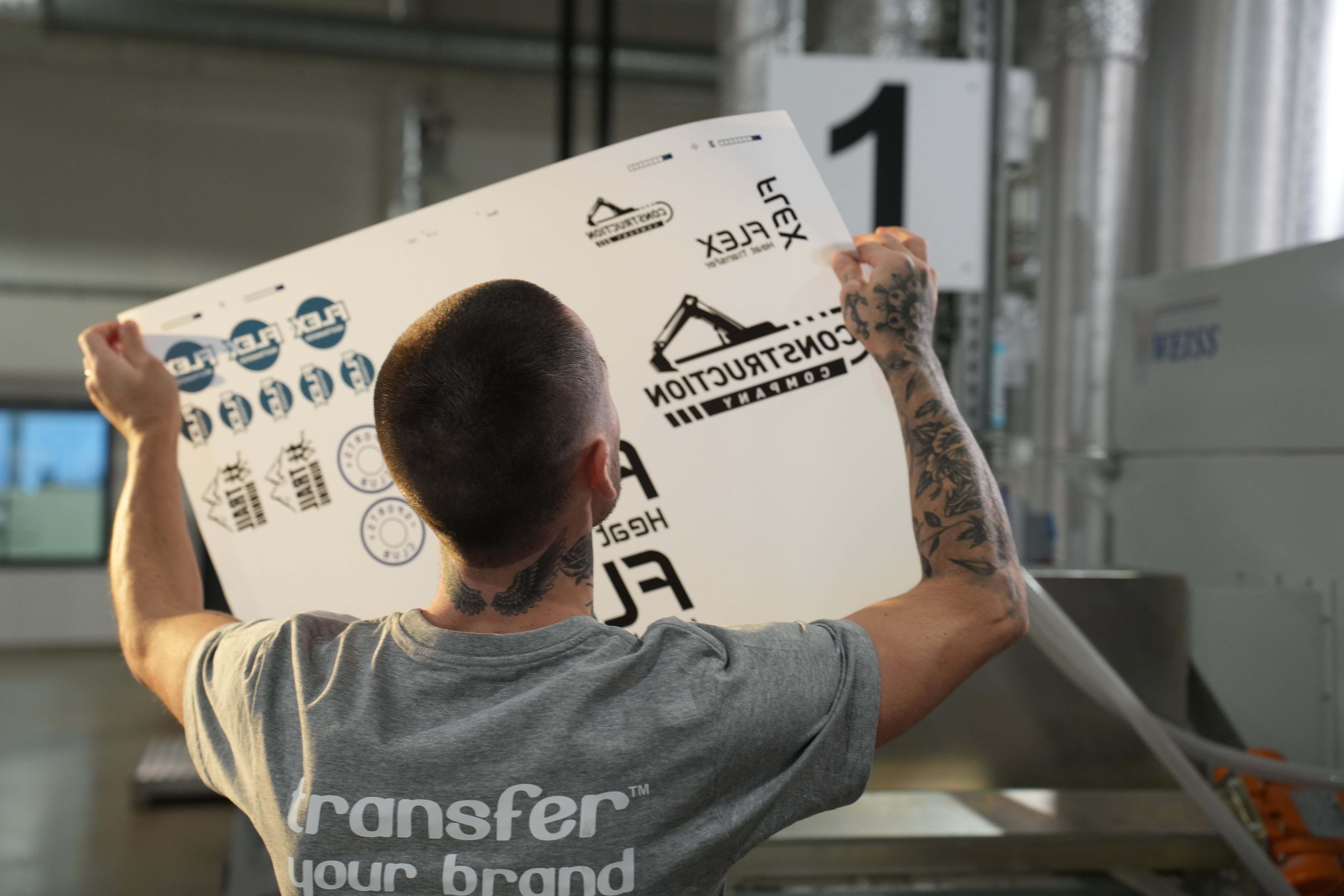
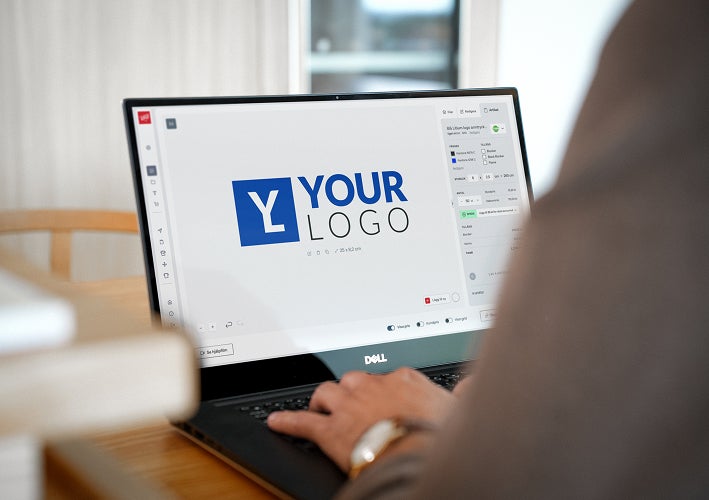
At Hot Screen, customers upload vector files through our ordering system. After internal quality checks, the design is printed onto a carrier material, shipped to the customer, and can be stored for up to five years.
Digital Transfer Printing
Digital transfer printing involves printing the design onto a transfer film and applying it to the textile using heat and pressure. It offers high color brilliance, durability, and flexibility.
Unlike plotter printing, the entire design is printed in one step, and excess transfers can be stored for years.
Direct-to-Garment Printing
Direct-to-garment (DTG) printing applies ink directly onto garments. It is ideal for small batches but requires specialized equipment and curing processes.
For dark textiles, a white underbase is often required to maintain color vibrancy.
Advantages and Disadvantages of Digital Printing
Digital printing offers excellent print quality, flexibility, and speed. However, unit costs and production speed for large volumes may be higher compared to traditional printing methods.
Direct-to-Garment vs. Digital Transfer Printing
Both methods are used for textiles but differ in application:
Direct-to-Garment Printing
-
Ink applied directly to fabric
-
Soft feel even on large areas
-
Best for small to medium runs
Digital Transfer Printing
-
Ink printed on carrier material
-
May reduce breathability
-
Suitable for all order sizes
Conclusion
Digital printing has transformed the textile industry through flexibility and quality. Choosing the right method depends on your project requirements.